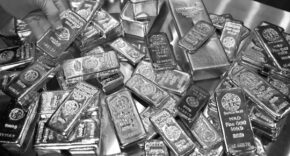
Gold has been one of the standout performers in recent years, captivating investors with its dramatic rise. Since the end of 2019, gold prices have climbed about 184%, and in 2025 alone, the precious metal surged 63%. As of mid-January 2026, gold was trading around $4,588–$4,600 per ounce on the New York Mercantile Exchange, marking a strong start to the year with gains of roughly 6% so far in January.
Why Gold Is Rallying
Several powerful forces are driving this bull run. Central banks, particularly in Asia, continue to buy large amounts of gold as a hedge against weakening currencies and economic uncertainty. In countries like China and India, cultural demand remains intense, with gold seen as a key asset for wealth preservation and jewelry. Hedge funds are adding gold to diversify beyond traditional stocks, bonds, and real estate. Even everyday investors in the United States can now easily purchase gold through retailers like Costco or local gold dealers.
These factors have created sustained buying pressure, pushing prices to record levels and fueling optimism for 2026.
Historical Lessons: Bull Runs Can End Suddenly
Despite the excitement, gold’s history shows that rallies don’t last forever. Veteran market watchers recall the 1980 peak, when gold hit $850 per ounce amid high inflation, soaring oil prices, and a falling dollar. Many predicted even higher prices, but the market crashed. By 1985, gold had dropped more than 60% to around $350, and it didn’t reclaim that $850 level until 2008, right before the Great Recession.
Key triggers for that collapse included commodity exchanges raising margin requirements (the cash speculators must put up to hold positions) and the Federal Reserve hiking interest rates sharply to fight inflation. Higher borrowing costs forced many leveraged traders to sell quickly, accelerating the decline.
A similar sharp drop occurred in 2013, when fears of a U.S. debt default faded after a political resolution, and prices fell 40%.
These episodes serve as reminders that external shocks—such as rising interest rates, tighter financial conditions, or reduced speculation—can reverse gold’s momentum abruptly.
Wall Street’s Outlook for 2026
Most major analysts remain bullish on gold for 2026, citing ongoing global deficits, geopolitical tensions, a potentially weaker U.S. dollar, and persistent demand from central banks and investors. Forecasts generally cluster in a relatively tight range, pointing to moderate but steady gains from the 2025 closing price of about $4,341 per ounce.
Here are the key projections from prominent Wall Street firms and research groups:
- Jefferies Group: $6,600 (up 52%)
- Yardeni Research: $6,000 (up 38%)
- UBS: $5,400 (up 24%)
- JPMorgan Chase: $5,055 (up 16%)
- Charles Schwab: $5,055 (up 16%)
- Bank of America: $5,000 (up 15%)
- ANZ Bank: $5,000 (up 15%)
- Deutsche Bank: $4,950 (up 14%)
- Goldman Sachs: $4,900 (up 13%)
- Morgan Stanley: $4,800 (up 11%)
- Standard Chartered Bank: $4,800 (up 11%)
- Wells Fargo: $4,500–$4,700 (up 4–8%)
The average forecast across these analysts comes in at around $5,180 per ounce, representing a 19% increase from the end of 2025. Some more optimistic voices, like Ed Yardeni, see potential for even higher levels longer-term—possibly $10,000 by 2030—driven by massive government deficits and inflation pressures.
Other analysts, such as those at Swiss Asia Capital, project gold reaching $8,000 by 2028 in very bullish scenarios.
What to Watch
While the consensus leans positive, gold’s path in 2026 isn’t guaranteed. Strong demand could push prices higher, but risks like tighter monetary policy, reduced speculation, or easing geopolitical tensions could trigger pullbacks. Investors should approach gold with caution, remembering its volatility and the potential for sharp corrections.
Overall, Wall Street sees 2026 as another year of gains for gold, building on its remarkable recent performance, but history suggests staying alert for any sudden shifts in the broader economic landscape.