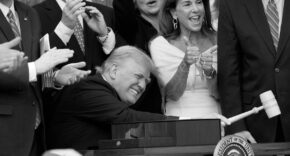
President Donald Trump announced Friday that he wants to put a one year cap on credit card interest rates at 10 percent, starting January 20, 2026, the first anniversary of his return to the White House. He made the announcement on Truth Social, saying Americans have been unfairly hit by extremely high credit card rates under the Biden administration.
“We will no longer let the American Public be ‘ripped off’ by Credit Card Companies that are charging Interest Rates of 20 to 30%, and even more,” Trump wrote. “AFFORDABILITY! Effective January 20, 2026, I, as President of the United States, am calling for a one year cap on Credit Card Interest Rates of 10%.”
Trump said today’s rates are out of control and that they rose while Joe Biden was in office. He blamed the Biden administration for letting rates climb into the 20 to 30 percent range, which he says is crushing families who are already struggling to pay for food, housing, and other basics.
Why Trump Says the Cap Is Needed
The push for a cap comes as Americans are drowning in record levels of credit card debt. Total credit card debt has reached $1.23 trillion, and the average household owes about $9,326. Many families are now using credit cards just to cover groceries, rent, and other essentials.
At the same time, interest rates have soared. As of August 2025, the Federal Reserve reported that the average credit card interest rate was 22.83 percent, and some people with weaker credit are paying close to 30 percent. That means a huge share of their monthly payment goes to interest instead of actually reducing what they owe.
Trump says this is a major affordability crisis. In his Truth Social post, he said these high rates “festered unimpeded during the Sleepy Joe Biden Administration,” and that his plan is meant to give Americans relief and stop what he sees as abusive practices by credit card companies.
Trump and his supporters point the finger squarely at big banks and credit card companies. They argue these firms are making massive profits by charging what they call excessive and exploitative rates.
Lawmakers backing the cap say banks borrow money from the Federal Reserve at around 4 percent and then turn around and charge consumers more than five times that rate. Rep. Anna Paulina Luna said when she introduced similar legislation that credit card rates have almost doubled in the past decade, giving banks huge windfalls.
Supporters also point to certain states, especially Delaware, that allow banks based there to charge almost any rate they want. They say these laws have let credit card companies escape traditional usury limits that once protected consumers.
How Much Money Consumers Could Save
Supporters say a 10 percent cap would put real money back in people’s pockets. A study by Vanderbilt University’s Vanderbilt Policy Accelerator found that a 15 percent cap would save consumers $48 billion a year. A 10 percent cap would save about $100 billion annually.
The study also found that banks would still be profitable under a 10 percent cap, just not as wildly profitable as they are now. For example, Capital One reported net income of $3.2 billion in just the third quarter of last year, which works out to more than $12 billion a year.
Trump allies say that kind of profit shows banks can easily survive while giving consumers a fairer deal.
The idea has drawn rare bipartisan support. Sen. Josh Hawley, a Republican from Missouri, said on X that he “can’t wait to vote for this.” He and Sen. Bernie Sanders previously introduced a bill to cap rates at 10 percent for five years, calling current rates exploitative.
Sanders has long argued that banks are “getting away with murder” by charging up to 30 percent interest. Even though he criticized Trump earlier in the day for not acting sooner, he backs the idea of a 10 percent cap and has pushed Congress to move on it.
Supporters say the cap would give working families immediate relief and break what critics call a debt trap, where people keep paying interest but barely touch their principal.
Not everyone is cheering. Billionaire hedge fund manager Bill Ackman warned that the plan could backfire. He said that if banks cannot charge high enough rates to cover losses and make a profit, they will cancel cards for millions of people. Those people, he warned, could end up turning to loan sharks and other high risk lenders with worse terms.
Bank trade groups make a similar argument. The Bank Policy Institute says a 10 percent cap could lead to two thirds of people who carry balances seeing their credit lines cut or closed, especially those with weaker credit histories.
The American Bankers Association and 52 state banking groups also oppose caps, saying price controls usually raise costs instead of lowering them.
Sen. Elizabeth Warren went even further, calling Trump’s move a “joke.” She said Trump has not taken real steps to control credit card costs and accused him of trying to shut down the Consumer Financial Protection Bureau, which enforces consumer protection laws. Warren said Americans “know a fraud when they see one.”
The New York Times also noted that Trump has not explained how he would legally impose such a cap, which would normally require action by Congress or regulators.
Trump is framing the 10 percent cap as a bold move to fight for ordinary Americans who are being crushed by high interest rates. He says it is about affordability and stopping credit card companies from ripping people off.