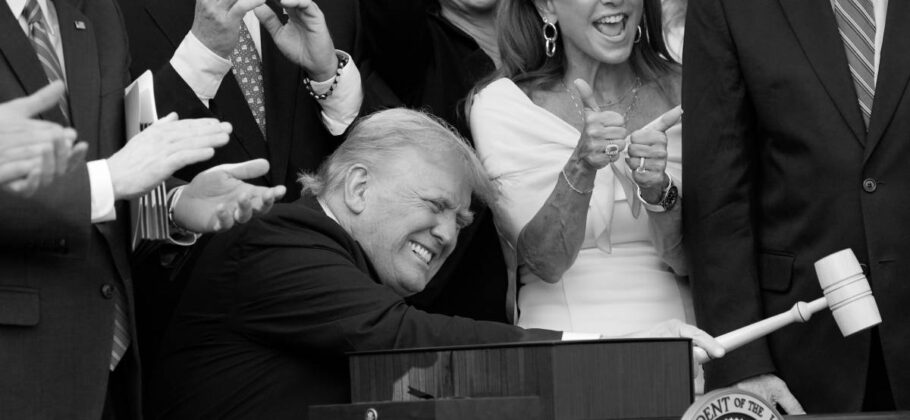
Many Americans are gearing up for what could be the largest tax refund season in history when they file their 2025 tax returns in 2026. Thanks to major changes from President Donald Trump’s One Big Beautiful Bill Act (OBBBA), signed into law on July 4, 2025, millions of taxpayers are expected to receive bigger refunds starting when the IRS begins processing returns on January 26, 2026.
Why Refunds Could Be Bigger This Year
The OBBBA introduced several tax cuts and new deductions that apply retroactively to the 2025 tax year. However, the IRS did not update withholding tables after the law passed. This means most workers continued having taxes withheld from their paychecks at the old, higher rates throughout 2025. As a result, many overpaid during the year and will get that extra money back as larger refunds (or smaller amounts owed) when filing in 2026.
Key provisions from the OBBBA that reduce taxes for 2025 include:
- An increase in the maximum child tax credit by $200.
- A bigger standard deduction ($750 more for single filers, $1,500 more for joint filers).
- Raising the state and local tax (SALT) deduction cap to $40,000 for those earning under $500,000.
- A new $6,000 additional deduction for seniors (phasing out above $75,000 income for singles or $150,000 for joint filers).
- New deductions for auto loan interest (up to $10,000, phasing out at higher incomes).
- Deductions for tip income (up to $25,000) and overtime pay (up to $12,500 single/$25,000 joint), both phasing out at higher income levels.
According to the Tax Foundation, these individual tax cuts reduced overall income taxes by about $129 billion in 2025. Private estimates suggest up to $100 billion of that could come back as higher refunds, potentially boosting the average refund by $300 to $1,000 compared to typical years.
For context, the average refund in recent years has hovered around $3,000 (for example, about $3,052 through mid-October in a prior season). Experts like economists at Morgan Stanley predict refunds could rise by 15% to 20% on average.
Refund amounts will vary widely depending on your situation—families with kids, seniors, tipped workers, those with overtime, or people in high-tax states may benefit the most. Middle- and upper-middle-income groups are likely to see the biggest share of filers getting a tax cut.
Potential Economic Impacts
Larger refunds could give a short-term boost to the economy by putting more cash in people’s pockets.
Experts say this extra money might encourage higher consumer spending, especially among middle-income households (earning $30,000–$60,000), who tend to spend about 30% of refunds on discretionary items. Higher earners are more likely to save or pay down debt.
However, there’s debate about inflation. Some economists, like those at MIT, warn that sudden influxes of cash (similar to COVID stimulus checks) could add upward pressure on prices by increasing demand. Others, including National Economic Council Director Kevin Hassett, are less concerned, pointing to improving supply chains and new production capacity that could offset any effects.
Importantly, the biggest long-term economic benefits from the OBBBA come from ongoing changes that reduce marginal tax rates, encouraging more work, investment, and growth—not just from one-time refunds.
Tips for Taxpayers
The IRS expects around 164 million individual returns this season, with the filing deadline on April 15, 2026. To maximize your refund:
- Gather documents early (W-2s, 1099s for tips/overtime/gig work).
- Use direct deposit for faster refunds (paper checks are being phased out).
- Check the IRS website for details on new provisions.
- Consider consulting a tax professional if your situation involves multiple deductions.
This refund windfall reflects a significant tax relief effort, but benefits depend on individual circumstances. Many taxpayers—especially in the middle income ranges—stand to gain, potentially making 2026 a memorable tax season!