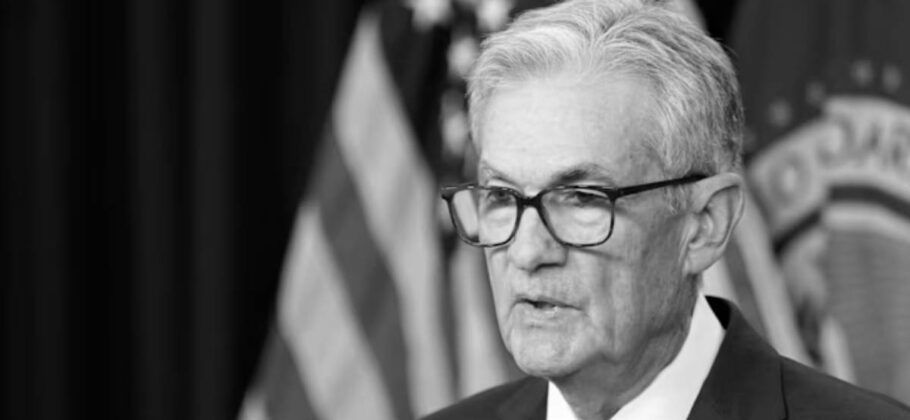
Federal Reserve Chair Jerome Powell said Monday that the central bank’s actions in response to the ongoing U.S.-Israeli war with Iran will depend heavily on how the conflict shapes Americans’ views about future inflation.
Speaking to students at Harvard University in Cambridge, Massachusetts, Powell stressed that while the Fed often “looks through” temporary supply shocks caused by events like wars or oil disruptions, it must closely watch inflation expectations.
“The tendency is to look through any kind of a supply shock,” Powell explained. “But a critical, essential aspect of that is you have to carefully monitor inflation expectations.”
Powell also suggested the Fed is likely to keep interest rates steady in the near term. He pointed out that monetary policy takes time to affect the economy — often with “long and variable lags.” By the time higher rates would fully kick in, he said, the current oil price shock from the war might already be over.
The remarks come as the Iran conflict enters its fifth week. President Donald Trump has warned that the U.S. could target Iran’s energy infrastructure if no deal is reached to end the fighting and reopen the Strait of Hormuz. That narrow waterway is a vital route for global trade, carrying about one-fifth of the world’s oil supply along with other commodities.
Oil prices jumped Monday after Trump’s comments. Brent crude, the international benchmark, briefly climbed above $116 per barrel before pulling back. Gasoline prices across the United States have already risen sharply over the past month. The disruption has also driven up costs for plastics and fertilizer.
Americans are feeling the effects. Consumer sentiment fell 6% this month to its lowest level since December, according to the latest University of Michigan survey. Short-term inflation expectations have jumped, though longer-term expectations have stayed relatively stable so far.
Fed officials pay special attention to longer-run inflation expectations — those looking five to 10 years ahead — because they reflect whether people trust the central bank to keep prices under control. If the war drags on for months, however, even those longer-term views could worsen.
Just a week and a half ago, Fed policymakers projected just one interest rate cut for the rest of the year. Now, many analysts on Wall Street are shifting their forecasts toward possible rate hikes as the conflict continues.
The U.S. economy is already in its fifth straight year of above-average inflation. The Iran war threatens to push prices even higher by disrupting energy supplies and raising costs across many goods.
This situation puts the Federal Reserve in a tough spot. Policymakers must deal with a sudden global price shock while also watching a labor market that remains shaky. Sustained high energy costs could eventually slow economic growth and reduce hiring.
As a result, Fed officials will have to decide which issue to tackle first: rising inflation or a weakening job market.
Powell noted earlier this month, after the Fed voted to hold rates steady for the second meeting in a row, that “we just don’t know” how the situation will unfold. The economic fallout from the war will depend on how long it lasts and how wide it spreads, economists say.
At the Harvard event, Powell added a note of humility: “No one has been able to successfully predict the economy.”
The central bank now faces the challenge of balancing its dual goals — controlling inflation and supporting maximum employment — in one of the most uncertain global environments in recent years. How Americans’ inflation expectations evolve in the coming weeks and months could prove decisive in shaping the Fed’s next moves.