The escalating conflict involving the United States, Israel, and Iran is sending ripples across the world economy. Fighting that began in late February 2026 has sharply reduced shipping through the Strait of Hormuz, a narrow waterway that serves as a vital route for oil, natural gas, and other key commodities. This disruption is driving up prices for energy and industrial materials, raising concerns about higher inflation, slower economic growth, and long-term changes in global trade.
The Strait of Hormuz normally carries about 20 million barrels of oil per day, accounting for roughly 25-35% of global seaborne crude oil trade. It also handles a significant share of liquefied natural gas (LNG) and fertilizers. Since the conflict intensified, shipping traffic has dropped dramatically—by more than 90% in some reports—as vessels avoid the risky area. Even with releases from strategic oil reserves, markets remain nervous about prolonged shortages.
Energy Prices Climb Sharply
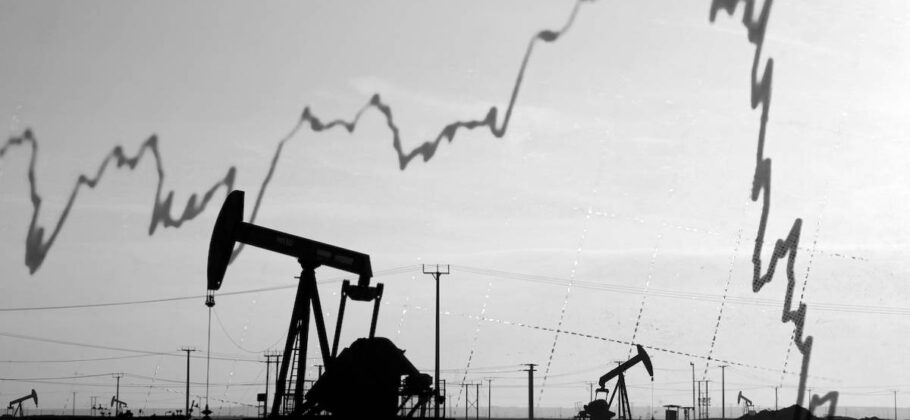
Oil prices have surged in response. Brent crude futures, a key global benchmark, have risen substantially since late February, with prices fluctuating above $100 per barrel and reaching peaks over $113 in recent trading. Physical oil prices from the Middle East, measured by the Dubai benchmark, have climbed even more steeply due to actual supply constraints in the Gulf region.
The shock has spread beyond crude oil. LNG prices in major Asian markets like Japan and South Korea have jumped by around 48%. Jet fuel and other specialized products, such as helium, are also becoming more expensive. In the United Kingdom, wholesale electricity and gas prices have increased significantly. Energy consultancy Cornwall Insight reports that electricity bills for some users have risen 10-30%, while gas contract prices are up 25-80%. Many businesses operate on tight margins and are struggling to absorb these higher costs.
Airlines are feeling the pressure too. United Airlines CEO Scott Kirby noted that jet fuel prices have nearly doubled in a short time. Airlines like Lufthansa report higher demand for longer routes that avoid Gulf airspace, which is pushing up ticket prices.
Shipping Costs Rise, Adding to the Strain
The shipping industry faces extra burdens from higher fuel prices and risk. A report from the European Federation for Transport and Environment (T&E) estimates that the global sector has already seen more than $5.3 billion in additional fuel costs since late February. Marine fuel prices at the Port of Singapore have more than tripled in 2026, while LNG bunker fuel prices have also climbed sharply.
About 99% of the world’s ships still run on fossil fuels, leaving the industry highly exposed to these swings. Some experts believe the crisis could speed up the shift toward greener shipping technologies, as low-carbon options now look more competitive compared to expensive traditional fuels.
Impact on Agriculture and Food Security
The disruptions are also hitting agriculture hard. The Strait of Hormuz is an important route for transporting fertilizers, which are essential for global food production. The United Nations Food and Agriculture Organization (FAO) has warned that reduced flows are threatening supply chains and food security.
War-risk insurance premiums for ships in the Gulf have skyrocketed, from about 0.25% to as high as 10%. Prices for key fertilizers like urea, ammonia, and sulfur have risen sharply. Production has been affected: QatarEnergy has paused some urea output, and fertilizer plants in countries such as India, Pakistan, and Brazil have cut back operations.
FAO Chief Economist Maximo Torero explained that farmers now face a “double shock” from higher fertilizer and fuel costs. If the conflict eases soon, markets might adjust without major damage. However, a longer disruption could hurt the upcoming planting season in many regions. The FAO is urging countries to explore alternative shipping routes, help import-dependent nations, and avoid export bans on food, which could worsen price volatility.
Broader Economic Effects
International organizations are sounding alarms about the wider impacts. The Organization for Economic Co-operation and Development (OECD) notes that ongoing uncertainty in the Middle East is testing global economic resilience. Higher energy costs raise expenses for businesses, fuel inflation, and can slow growth. The OECD has lowered its growth forecasts for major economies, including a dip in U.S. growth and even slower expansion in the eurozone.
Additional risks loom if Yemen’s Houthi movement becomes more involved, potentially disrupting the Bab el-Mandeb Strait and further complicating shipping lanes.
Experts say the crisis could accelerate bigger changes. Li Zixin, an assistant researcher at the China Institute of International Studies, pointed out that over-reliance on this single route for fossil fuels has exposed vulnerabilities. Disruptions may encourage countries and companies to prioritize supply chain security and resilience over pure efficiency, leading to more diversified production and trade networks.
The conflict is also putting pressure on the global financial system tied to oil (the petrodollar) and could speed up efforts toward de-dollarization and a more varied international monetary setup. In Li’s words, this situation could become a catalyst for major adjustments in energy use, supply chains, and the global financial order.
As the conflict continues, governments and businesses worldwide are watching closely. Short-term pain from higher prices is already visible, but the long-term effects—on inflation, growth, food supplies, and how the world organizes trade—could reshape the global economy for years to come.