Jamie Dimon, the chairman and CEO of JPMorgan Chase, is sounding a cautious note about the U.S. economy in 2026. In his annual letter to shareholders released on Monday, Dimon warned that the ongoing war involving the United States, Israel, and Iran could trigger higher oil and commodity prices, sticky inflation, and rising interest rates—potentially leading to a recession and reshaping the global economic order.
“Then again, it may not,” he added, showing his usual balanced view.
A Mostly Positive Outlook with Clear Risks
Overall, Dimon painted a fairly bright picture for the U.S. economy heading into the year. He pointed out that the economy is starting with strong momentum thanks to President Donald Trump’s tax cuts and the deregulatory, pro-business policies in the Republicans’ “One Big Beautiful Bill.” These changes are expected to add about $300 billion to the economy this year, boosting gross domestic product (GDP) by roughly 1%. On top of that, heavy investments in artificial intelligence (AI) and related technologies should continue to drive productivity gains.
Dimon noted that the U.S. economy today is on firmer footing than it has been in recent years. This strength could help protect the country from some of the troubles happening around the world. However, he made it clear that this does not rule out the possibility of a recession.
“While the economy may be less fragile than in the past, this alone does not mean there is no ‘tipping point’—it just may mean it could take more straws on the camel’s back to get there,” Dimon wrote in the 48-page letter.
The Iran War as a Major Threat
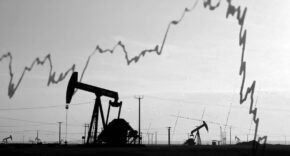
The biggest new risk, according to Dimon, comes from the war with Iran. He warned that the conflict raises the chance of major and lasting shocks to oil and commodity prices. It could also disrupt global supply chains in ways similar to what happened during the COVID-19 pandemic.
If that occurs, the United States could face another period of stubborn inflation, much like the one seen from 2021 to 2023. Central banks, including the Federal Reserve, might then have to raise interest rates sharply to fight it. Dimon described gradually rising inflation and interest rates as “the skunk at the party”—an unwelcome surprise that could cause stock prices to drop this year.
U.S. gas prices have already climbed to an average of $4.12 per gallon, with more increases possible as uncertainty from the conflict continues.
Other Economic Vulnerabilities
Even though the economy looks strong right now, Dimon pointed out that it depends heavily on continued growth and rising stock values to stay healthy. If those trends reverse, hidden weaknesses could quickly become serious problems.
For example, the government’s very high levels of debt are currently manageable because the economy is growing and interest rates are not too high. But if growth slows or rates climb, that debt could turn into a real crisis if not handled carefully.
Dimon also reminded readers that high stock prices partly reflect the United States being seen as a safe place to invest during global turmoil. Still, that status has not always prevented recessions or big market drops in the past. Human emotions play a big role in markets, he said.
“Human nature has not changed—sentiment and confidence can change rapidly and drive the markets,” Dimon explained. “Falling asset prices at one point can change sentiment rapidly and cause a flight to cash.”
In addition to the Iran war, Dimon highlighted other concerns:
- Worsening relations between the U.S. and China
- The effects of Trump’s trade policies
- Growing risks in the private credit market
A Balanced Warning
Dimon’s message is not all gloom. He believes the U.S. economy has real strengths that could help it weather storms. At the same time, he wants shareholders and leaders to stay alert to how quickly conditions can shift—especially if the war in the Middle East drags on and pushes up energy and other costs.
His letter serves as a reminder that while good policies and technology are providing tailwinds, unexpected events like wars can still bring serious challenges. Whether the “skunk” actually crashes the party will depend on how the conflict unfolds and how well policymakers respond. For now, Dimon is urging caution without predicting disaster.