Americans from all income levels are becoming more pessimistic about the U.S. economy. This shift comes as the ongoing war with Iran disrupts markets, driving up energy costs and causing stock prices to swing wildly.
Consumer sentiment dropped 6% in March to a final reading of 53.3, according to the University of Michigan’s Surveys of Consumers. That is the lowest level since December 2025 and lower than economists had expected. The decline was sharper than the preliminary figure released earlier in the month, when the conflict was just beginning.
The survey showed drops across all age groups and political parties. However, the largest declines hit middle- and higher-income consumers, as well as those who own stocks. Joanne Hsu, director of the survey, noted that these groups felt the double impact of rising gas prices and volatile financial markets tied to the Iran conflict.
Energy Prices and Market Turmoil
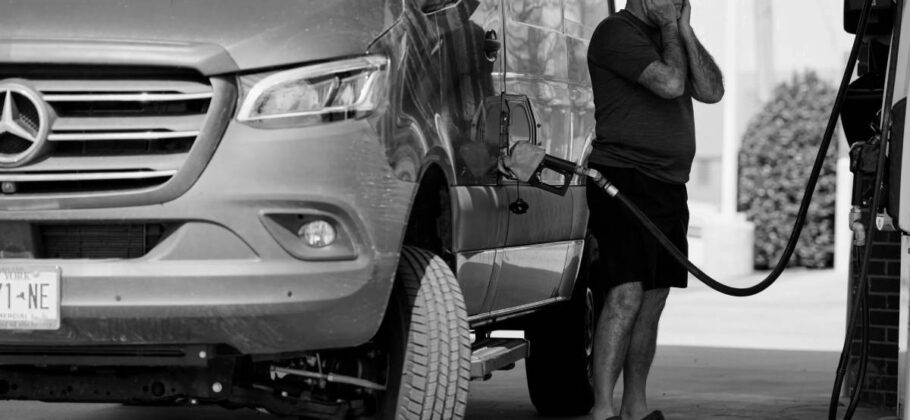
The Middle East conflict has pushed global oil prices higher for weeks, sending U.S. gas prices surging. The national average has climbed above $4 per gallon in many areas for the first time since 2022, an increase of roughly $1 from levels before the war began. This spike is squeezing household budgets and adding to everyday costs for driving and goods that rely on transportation.
Stocks have also been unsteady. Investors are watching closely for any signs that the war might end soon. President Donald Trump has said the administration is involved in talks with Iran, though reports show mixed signals on progress.
Inflation Expectations Shift
Americans’ short-term inflation outlook worsened noticeably. Expectations for inflation over the next year rose to 3.8% from 3.4% in February — the biggest monthly jump in about a year. This reflects worries that higher energy prices could feed into broader price increases.
On a brighter note, long-term inflation expectations (over five to 10 years) edged lower to 3.2%. Survey respondents seem to believe the current pressures from the war may not last. Hsu pointed out that people may not expect recent negative developments to continue far into the future, though she warned these views could change if the conflict drags on or if energy costs push up overall inflation.
This steadiness in long-run expectations is important for the Federal Reserve. The Fed aims for 2% annual inflation and watches how Americans view future prices as a sign of trust in its ability to control inflation. Current inflation, as measured by the Personal Consumption Expenditures index, stood at 2.8% as of January.
What Souring Sentiment Means for Spending and Growth
So far, falling consumer sentiment has not led to major cutbacks in spending. Even during tough periods after the pandemic — like high inflation in 2022 or debt ceiling fights in 2023 — Americans kept spending. Consumer spending makes up about two-thirds of the U.S. economy, so its strength matters a lot.
Spending tends to depend more on the job market. New claims for unemployment benefits are still low by historical standards, and wage growth has outpaced inflation since mid-2023. Job growth has been slow, however, and it has become harder for some people to find work.
Retail sales, a key part of consumer spending, were mixed recently. They fell slightly in January, partly due to cold weather, but showed some improvement in February. As long as layoffs stay contained, many households still have the income to keep spending.
Experts warn that a prolonged war could change this quickly. Higher energy prices and falling stock values might eventually lead to weaker spending, creating a downward spiral that tips the economy into recession. Heather Long, chief economist at Navy Federal Credit Union, noted that in today’s uneven “K-shaped” economy, problems that start at the top can spread rapidly to the broader population.
If the conflict with Iran continues for months, the combination of expensive gas, market volatility, and growing uncertainty could darken the economic outlook. For now, though, many consumers appear hopeful that the worst effects will be temporary — as long as the situation does not worsen.