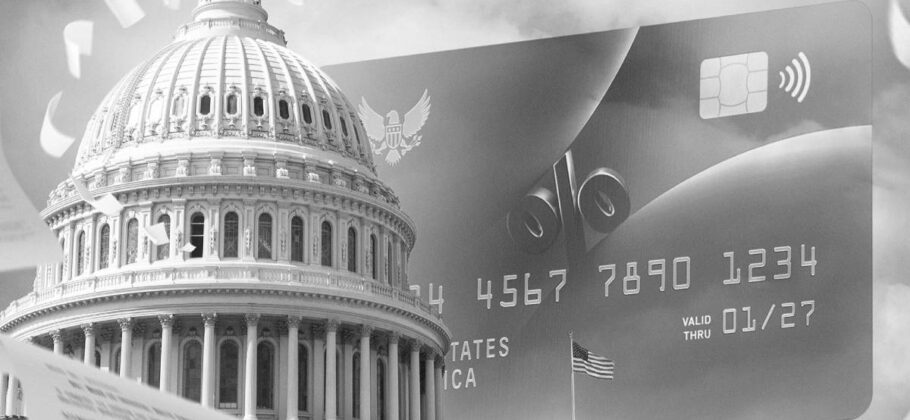
President Donald Trump’s proposal to cap credit card interest rates at 10% for one year has sparked strong warnings from banking leaders, including Capital One CEO Richard Fairbank, who says the move could trigger a recession.
Trump announced the idea on his Truth Social platform, criticizing credit card companies for charging rates of 20% to 30% or higher. He described the cap as a way to stop Americans from being “ripped off” and make borrowing more affordable. The proposal was set to take effect around January 20, 2026, marking the one-year anniversary of his return to the White House. Trump later called on Congress to pass legislation for the cap, emphasizing its benefits for helping people save money on big purchases like homes.
However, the plan faces major pushback from the banking industry. During Capital One’s fourth-quarter earnings call, CEO Richard Fairbank argued that capping rates is a form of price control that would not make credit cheaper—instead, it would make credit much harder to get.
Fairbank explained that banks would likely respond by cutting credit limits, closing accounts, and approving far fewer new credit cards. This would affect consumers across the board, not just those with poor credit scores. He stressed that the issue goes beyond subprime borrowers and would limit access for many people.
Consumer spending drives about 70% of the U.S. economy, and Fairbank pointed out that roughly $6 trillion of that spending relies on credit cards. A big drop in available credit could reduce overall spending, creating economic shocks that “would likely bring on a recession.” He also noted risks to businesses like retailers, airlines, and hotels that depend on credit card programs. For many people, especially those new to credit, a card is their main or only way to build a credit history.
Capital One is particularly exposed to this change. The company holds $279.6 billion in credit card loans, making up the biggest part of its $453.6 billion total loan portfolio. Analysts view it as one of the most vulnerable banks to an interest rate cap because so much of its income comes from credit card interest.
Fairbank is not alone in his concerns. Other bank CEOs, including JPMorgan Chase’s Jamie Dimon, have warned that the cap could remove credit access for a large portion of Americans and lead to economic trouble. Banking groups like the American Bankers Association and others issued a joint statement saying the cap would hurt the very consumers it aims to help by reducing credit options and pushing people toward riskier, more expensive alternatives.
Bipartisan bills in Congress, including ones from Senators Bernie Sanders and Josh Hawley, and Representatives Alexandria Ocasio-Cortez and Anna Paulina Luna, have proposed similar 10% caps, but they have not advanced far.
Trump’s push follows his administration’s earlier success in rolling back a Biden-era rule that limited credit card late fees. While the goal of greater affordability resonates with many Americans facing high debt—credit card balances topped $1.23 trillion in late 2025—the banking industry argues that price controls could backfire by shrinking credit availability and slowing the economy.
As the debate continues, the proposal highlights tensions between protecting consumers from high rates and maintaining a stable credit system that supports everyday spending and economic growth.